Custom professional website

Project Overview

Kourosh Ashrafi is a bilingual website design project created for a customs consultant and university professor. The goal was to design a clean, minimal, and semi-corporate website that could present his professional services while also giving students easy access to course materials and lecture slides.

Because the website was designed in Farsi, a right-to-left language, the project required careful attention to RTL usability, readability, and plugin compatibility. The final approved design balances professional credibility with accessibility, creating a structure that supports both consultancy clients and academic users.

Tools / Skills:
  • Figma
  • Asana
Role
  • Web Design
  • UX/UI
  • Web Development
Date:
2023
Collaborator
Amirkian Ashrafi – Project Manager
circle-icon 1

Problem

Kourosh Ashrafi is a bilingual website design project created for a customs consultant and university professor. The goal was to design a clean, minimal, and semi-corporate website that could present his professional services while also giving students easy access to course materials and lecture slides.

Because the website was designed in Farsi, a right-to-left language, the project required careful attention to RTL usability, readability, and plugin compatibility. The final approved design balances professional credibility with accessibility, creating a structure that supports both consultancy clients and academic users.

circle-icon 1

Solutions

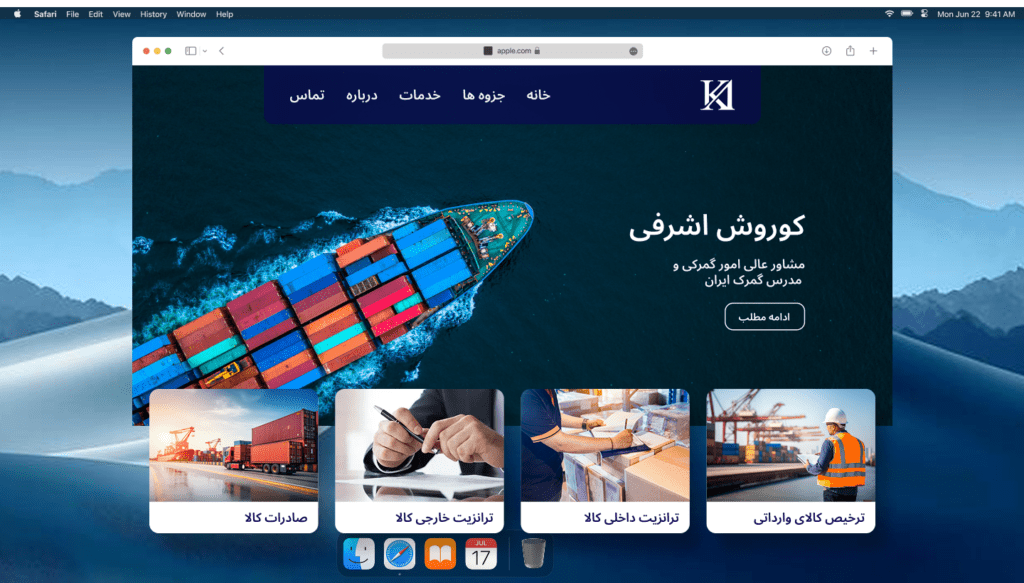
To address these needs, I designed a minimal and semi-corporate website that focused on clarity, credibility, and accessibility. The structure was built around key pages such as Home, About, Services, Contact, Blog, and Documents, allowing both professional users and students to move through the site with less friction.

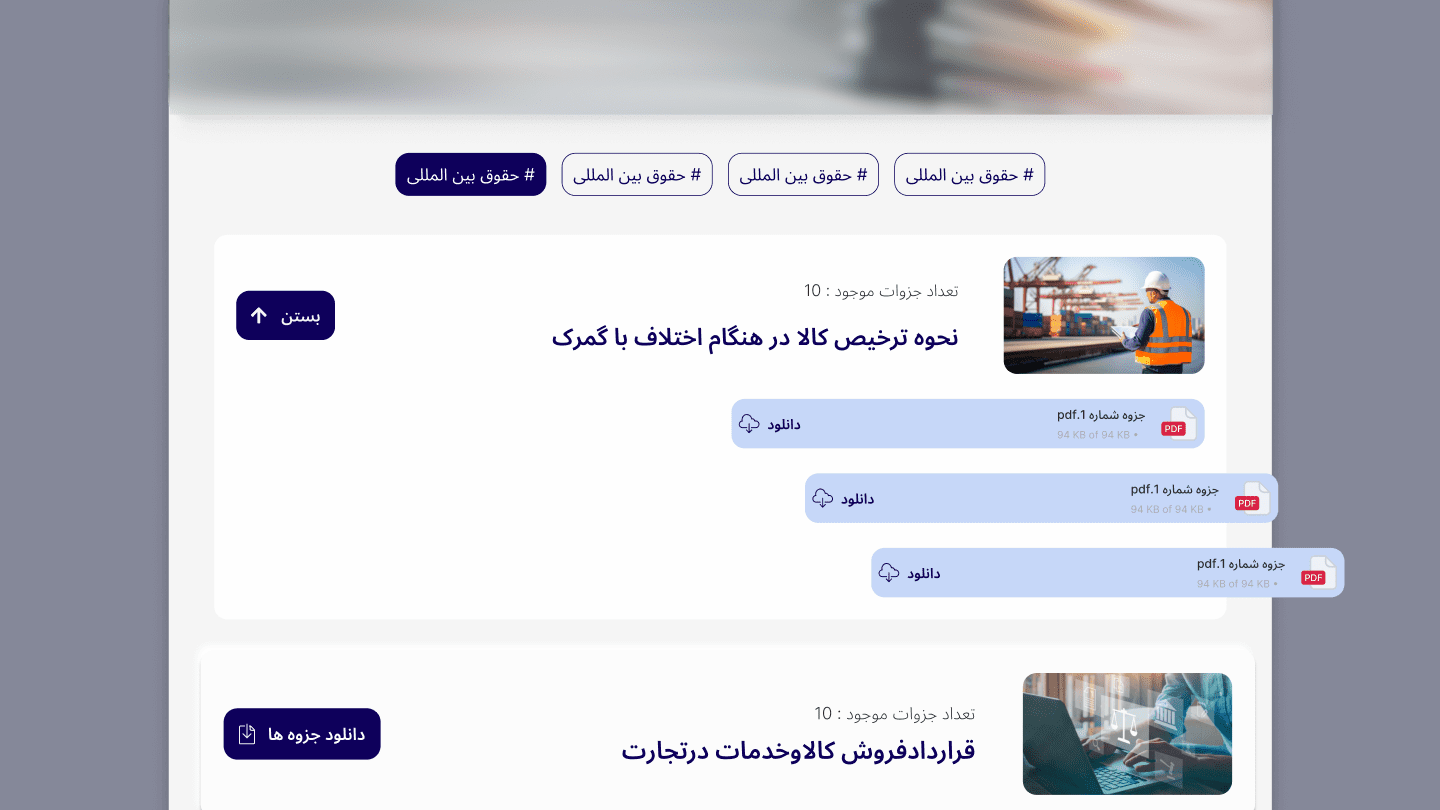
A major focus of the design process was the documents page, since it played an important role for students accessing lecture materials. Multiple versions were explored and refined through feedback, then shaped into a final approved direction that prioritized readability, usability, and ease of downloading. The overall visual system stayed clean and restrained so the website could feel professional while still being approachable.

circle-icon 1

Project Manager

The project began by understanding the client’s goals through multiple meetings and refining the website structure around two main audiences: professional clients and students. From there, the design process focused on creating a clean visual direction while solving for RTL usability and page clarity.

From Low-Fidelity to High-Fidelity

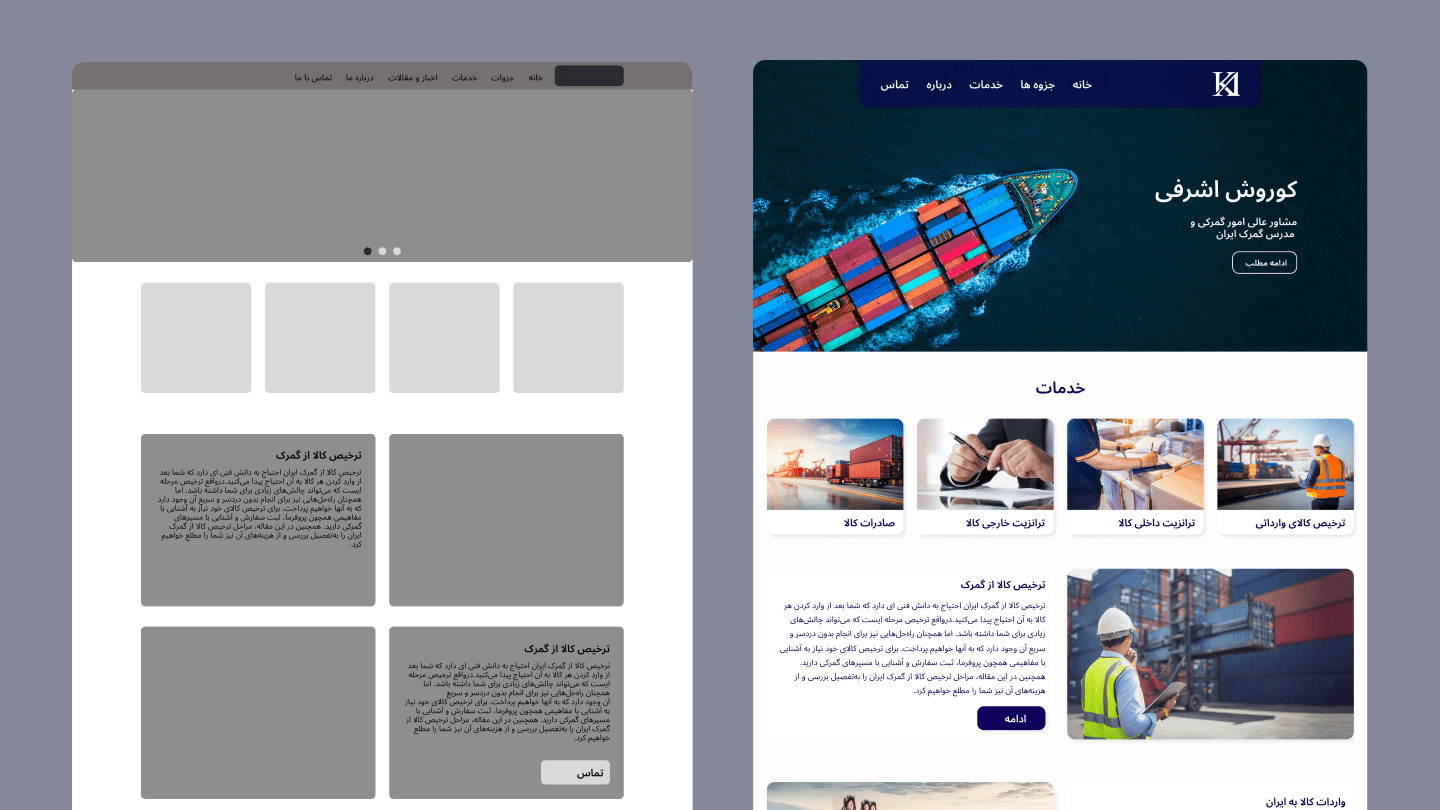
The homepage evolved from an early structural wireframe into a more polished interface that better reflected the client’s professional identity. This transition focused on improving hierarchy, making information easier to scan, and shaping a visual direction that felt minimal, clear, and appropriate for both consultancy and academic content.
circle-icon 1

Visual Direction

The final design direction stayed intentionally restrained. Rather than relying on heavy visual effects, the interface used spacing, structure, and clean typography to create a professional and readable experience in Farsi. This helped the website feel more credible while keeping the focus on content and usability.

Desktop Presentation

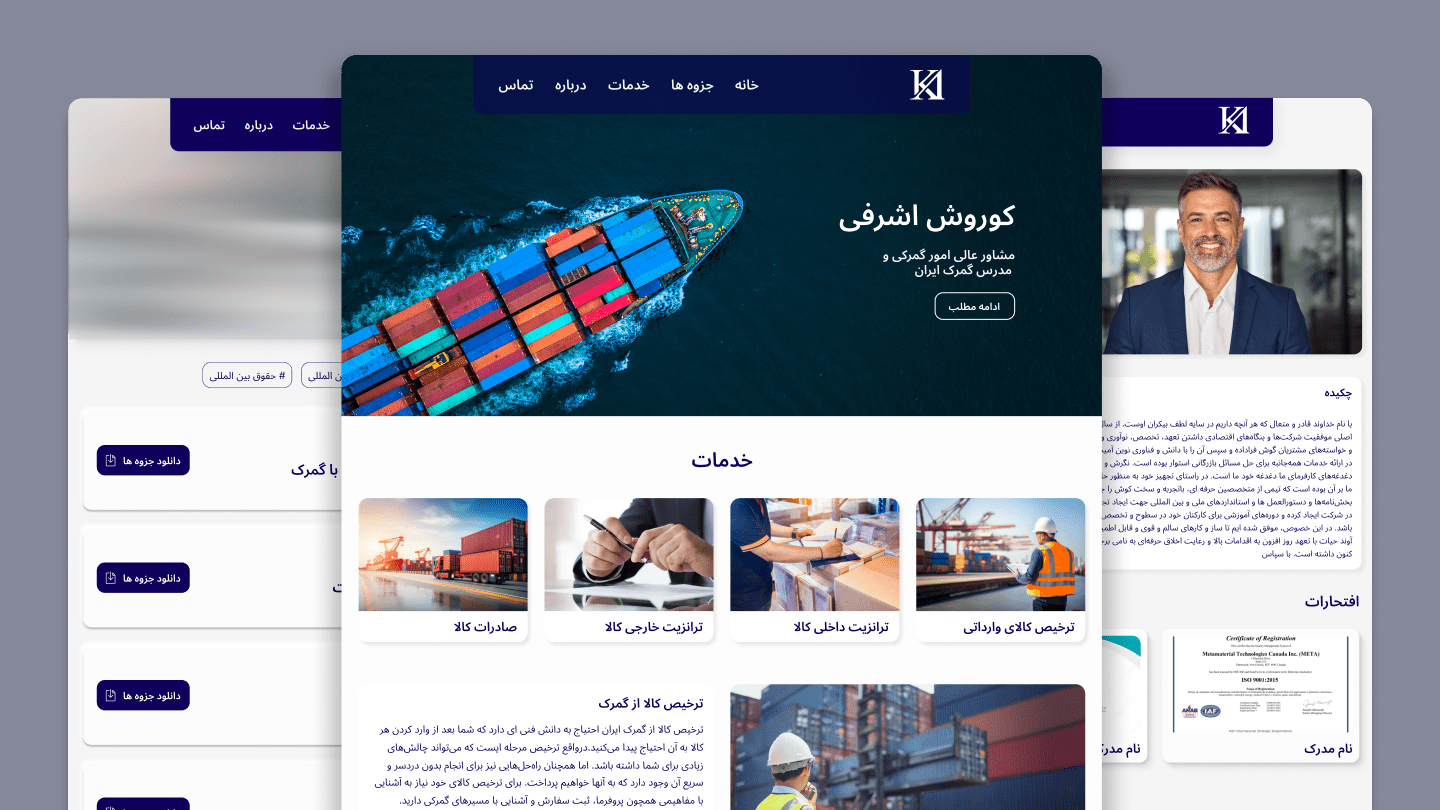
The desktop layouts were designed to feel organized and calm, helping the client’s services, background, and educational content come across more clearly. This was especially important because the website needed to support both professional trust-building and practical information access.

Documents UI Components

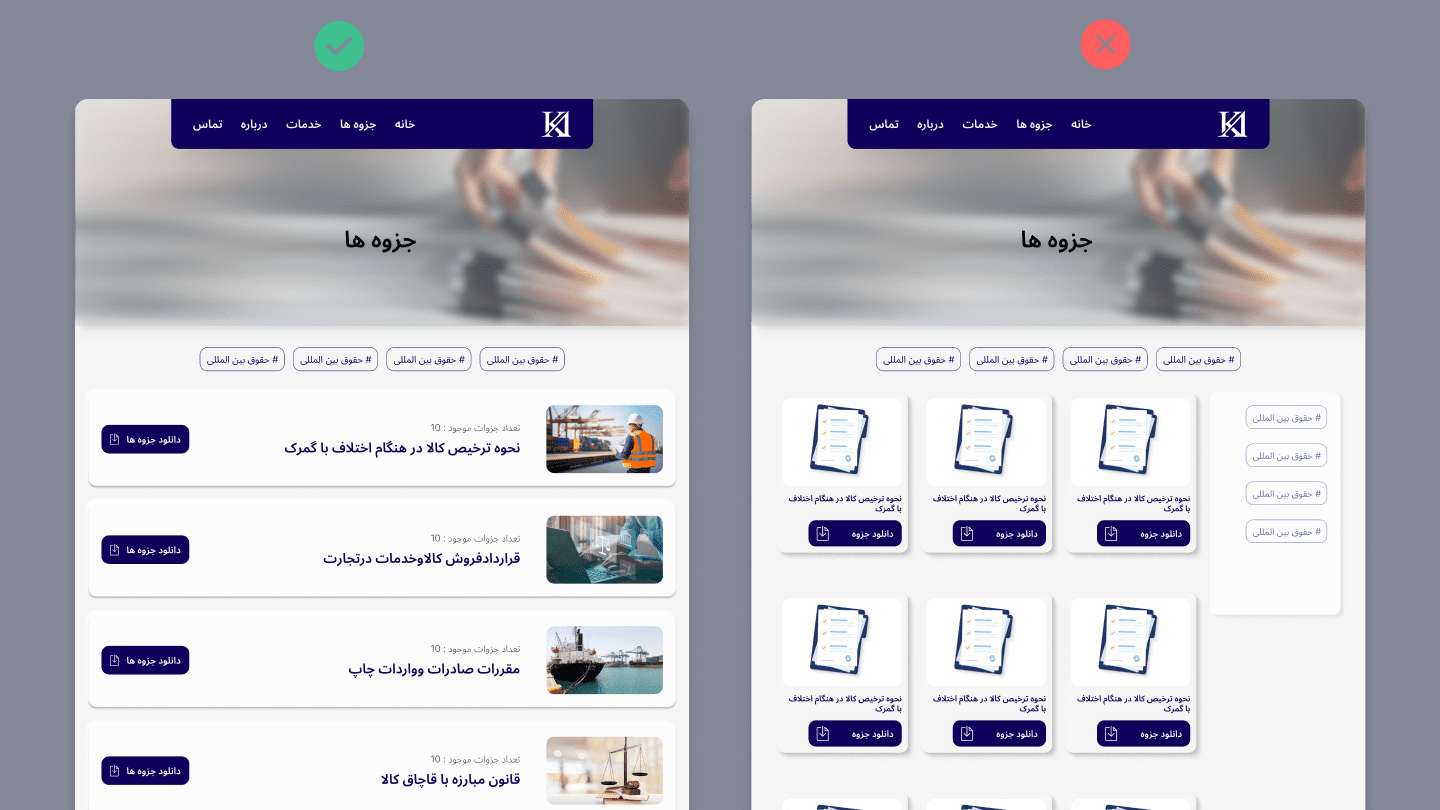
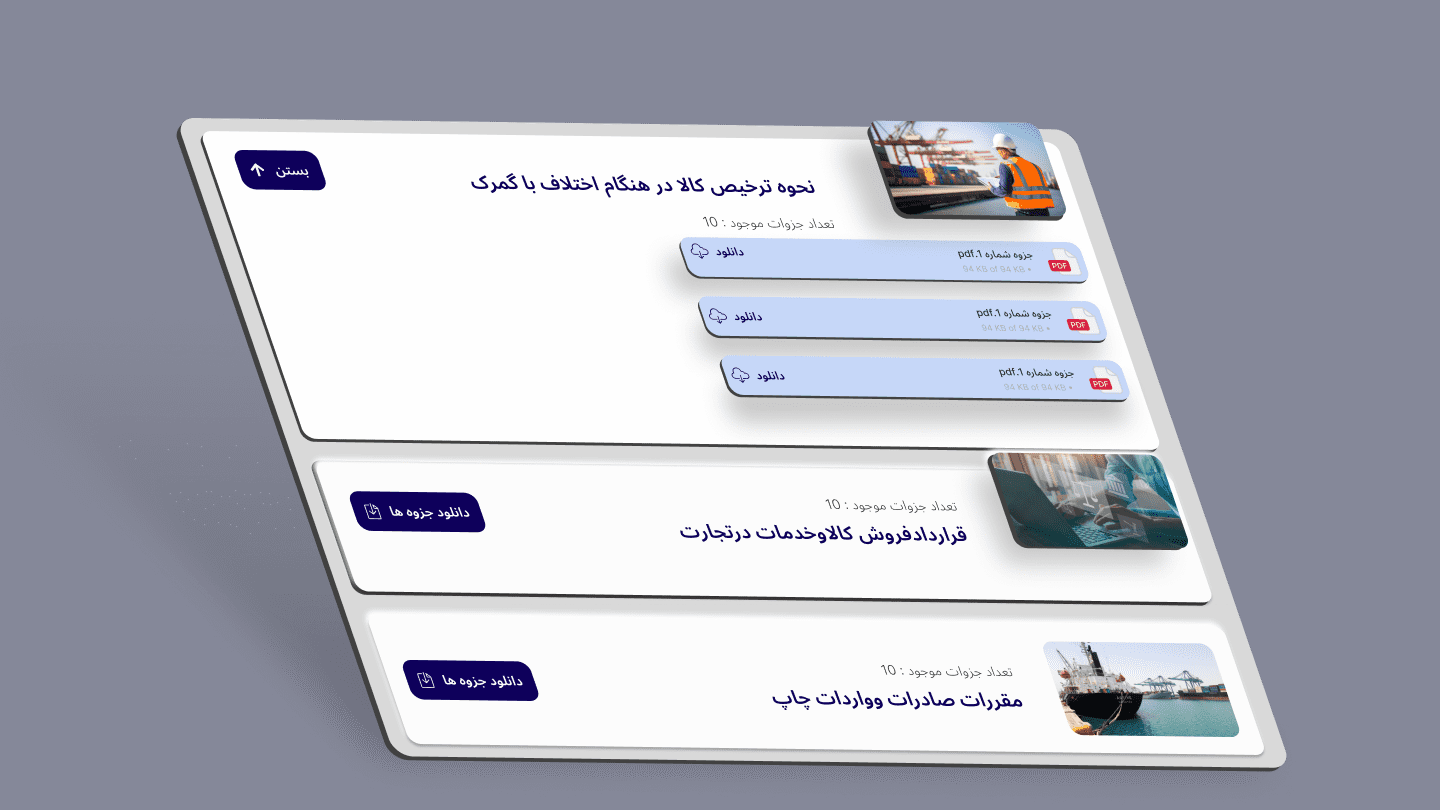
The documents section required more attention to component clarity than a standard content page. Card structure, spacing, and download-focused interaction patterns were refined so students could understand and use the page more easily with minimal confusion.

Blog and Service Content

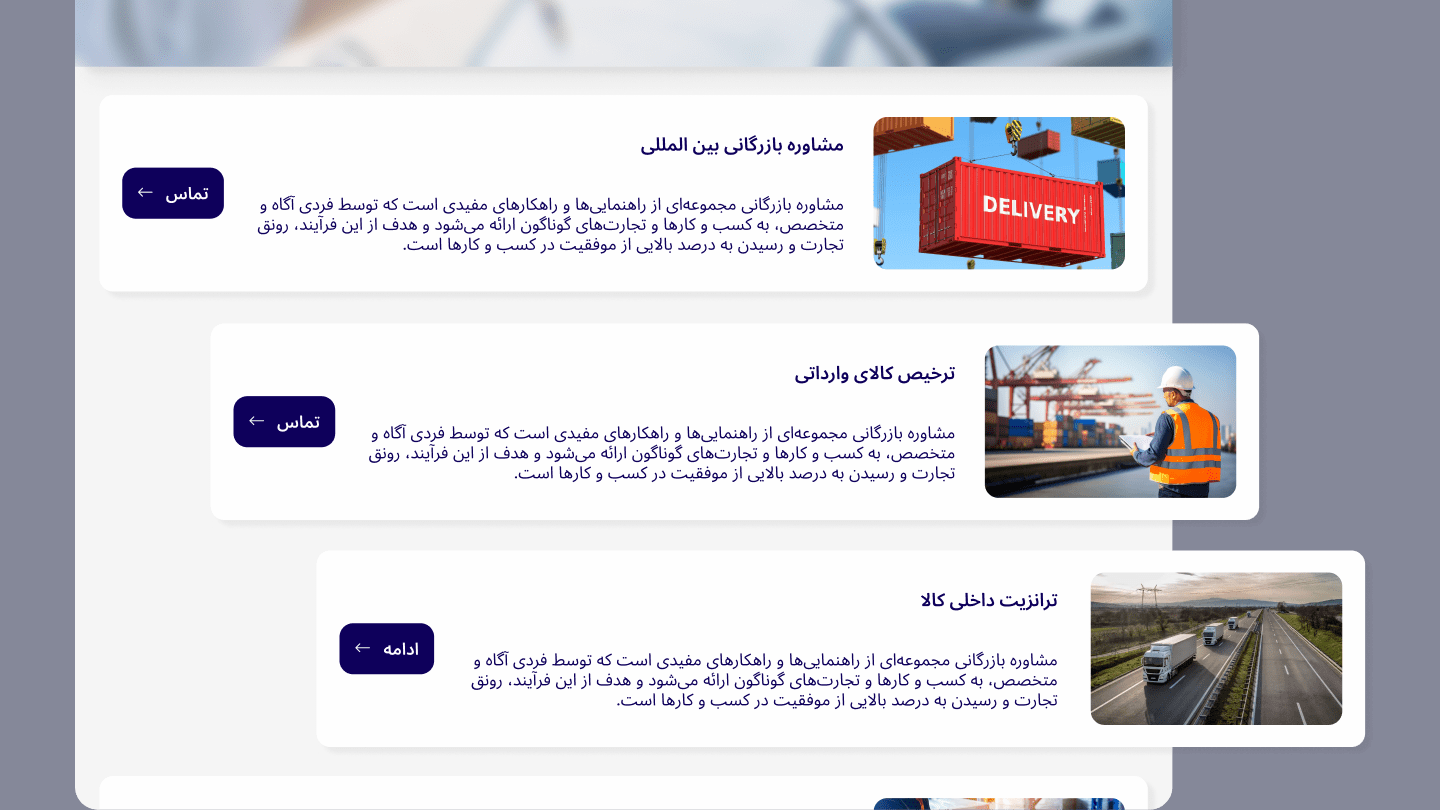
The design system also needed to support service-related and blog-style content without breaking visual consistency. Reusable interface patterns helped keep the site flexible while maintaining a clean and cohesive appearance across different page types.
circle-icon 1

Approved Interface Design

The approved design direction brought together the core pages needed to support the website’s two main functions: building professional credibility and making information easy to access. Each page was designed to stay simple, readable, and aligned with the overall minimal visual system.

Homepage

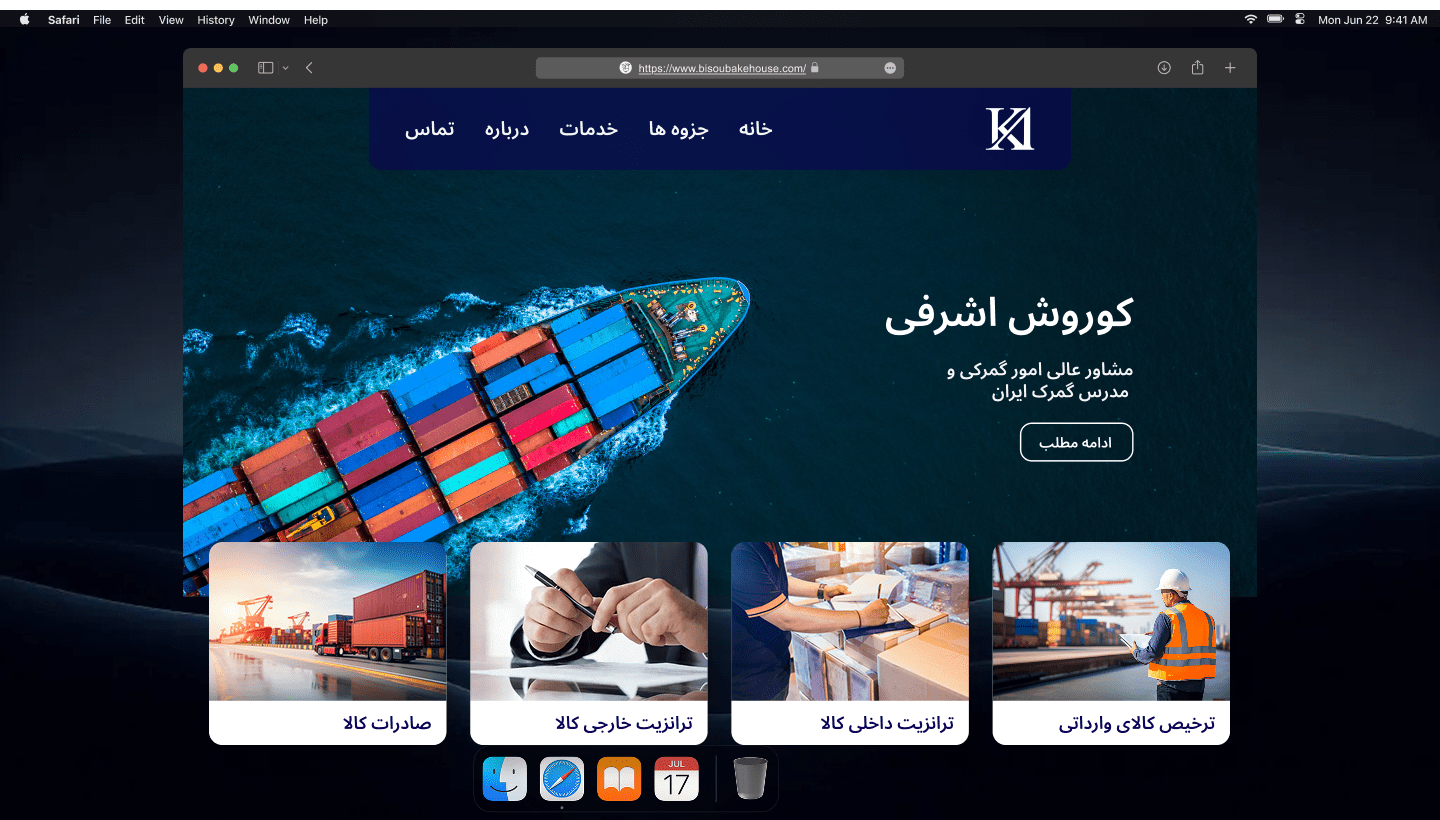
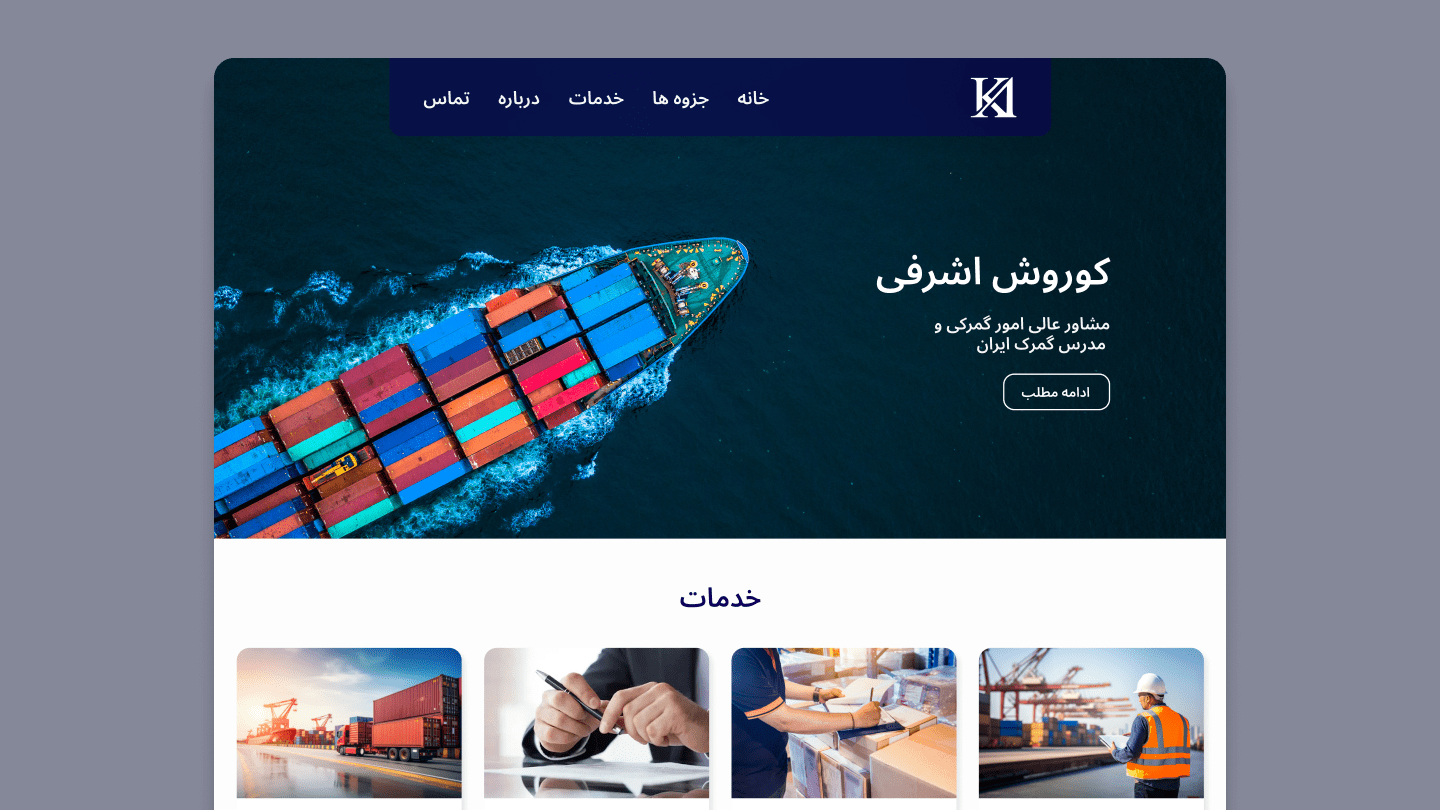
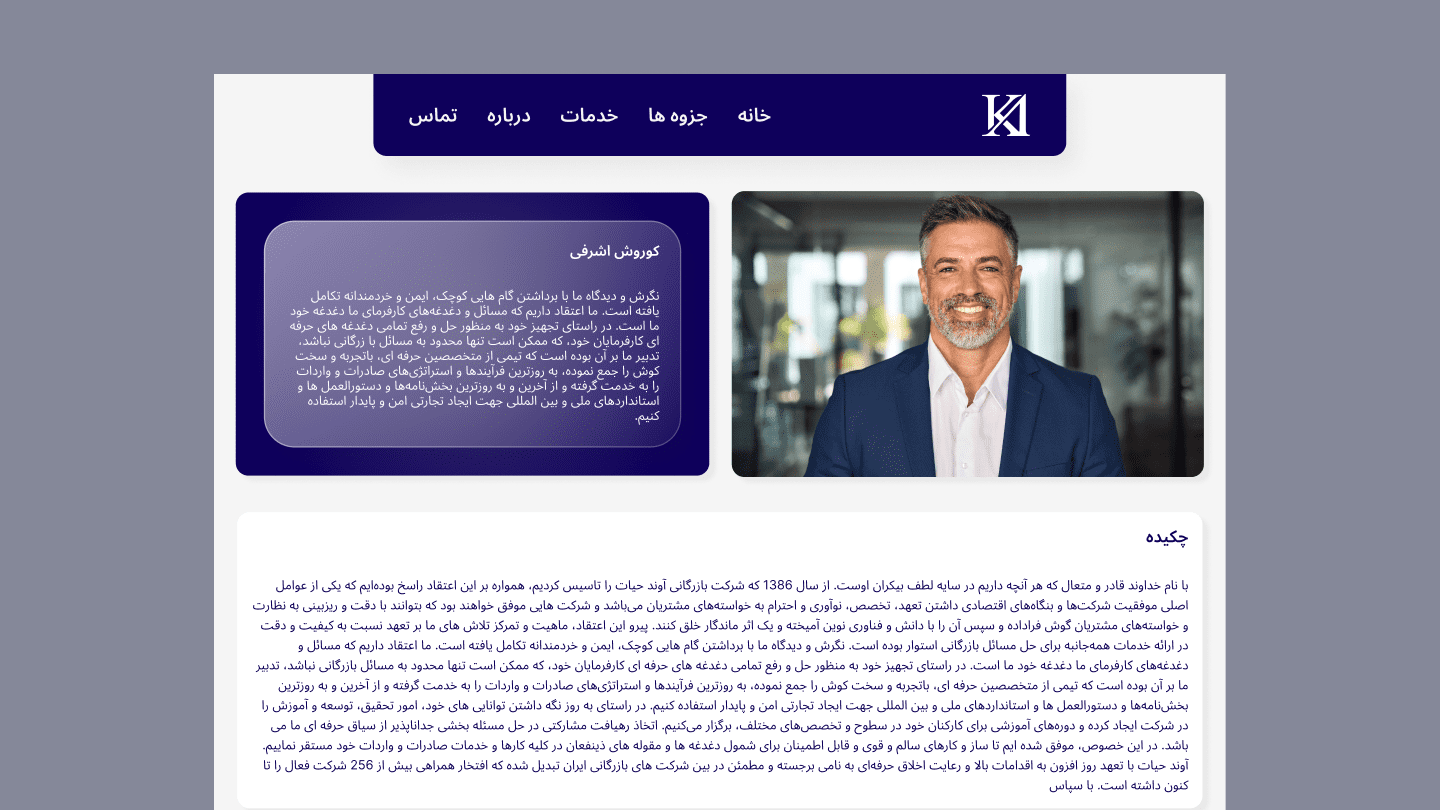
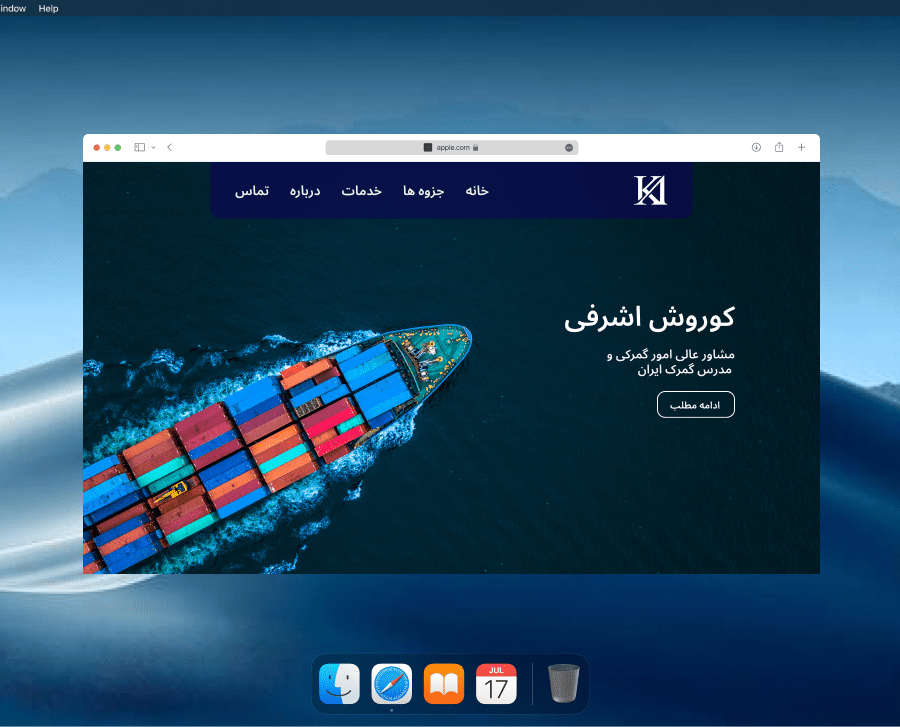
The homepage was designed to introduce the client clearly, present key services, and surface important information without overwhelming the user. It acts as the main entry point for both potential clients and students visiting the site.

Documents Page

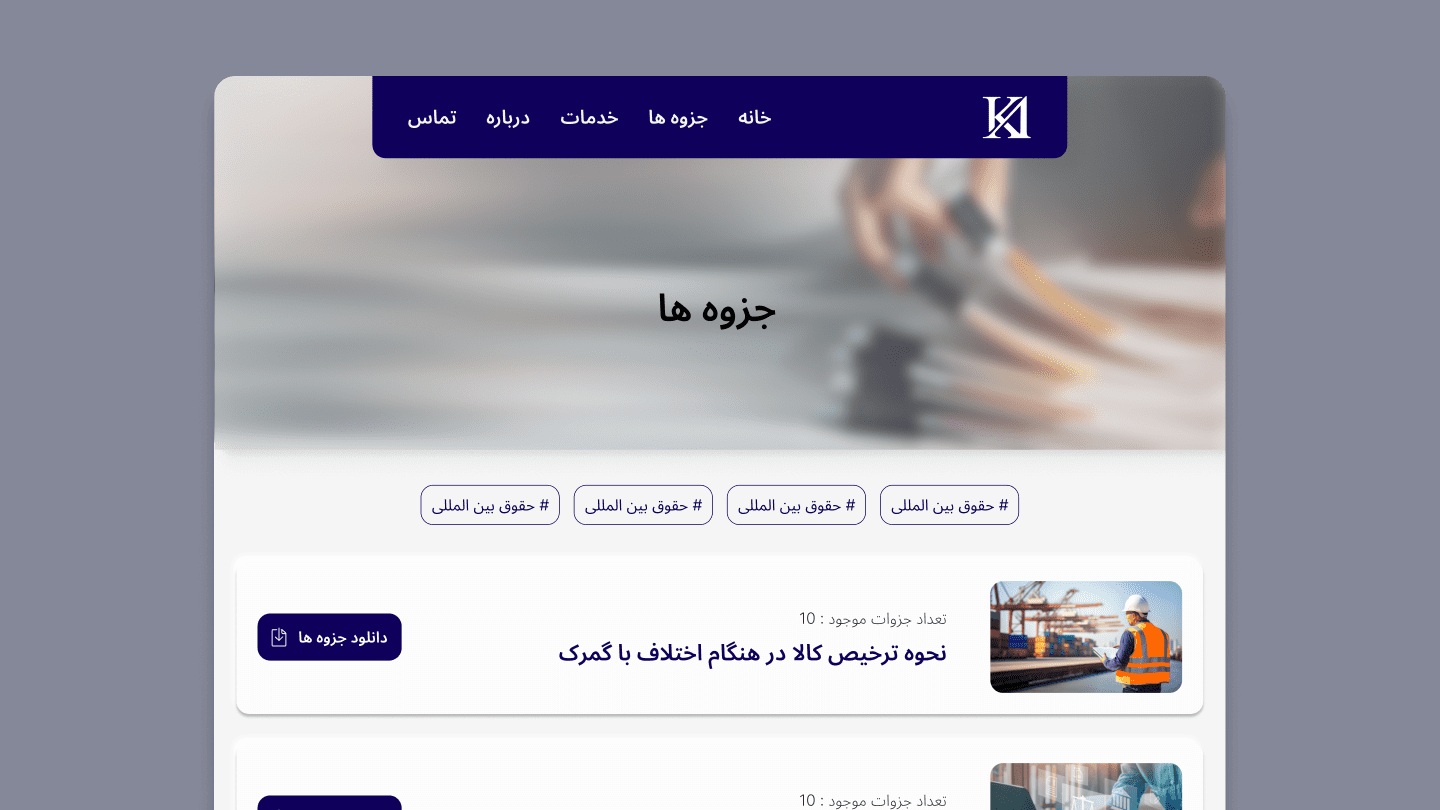
The documents page is one of the most functionally important parts of the design. It was structured to help students find and download course materials with minimal friction, using a layout that stayed practical, direct, and easy to scan.

About Page

The About page was designed to strengthen credibility by presenting the client’s background, certifications, and experience in a more organized and readable way. This helped the website support trust-building alongside its educational function.
circle-icon 1

Responsive Experience

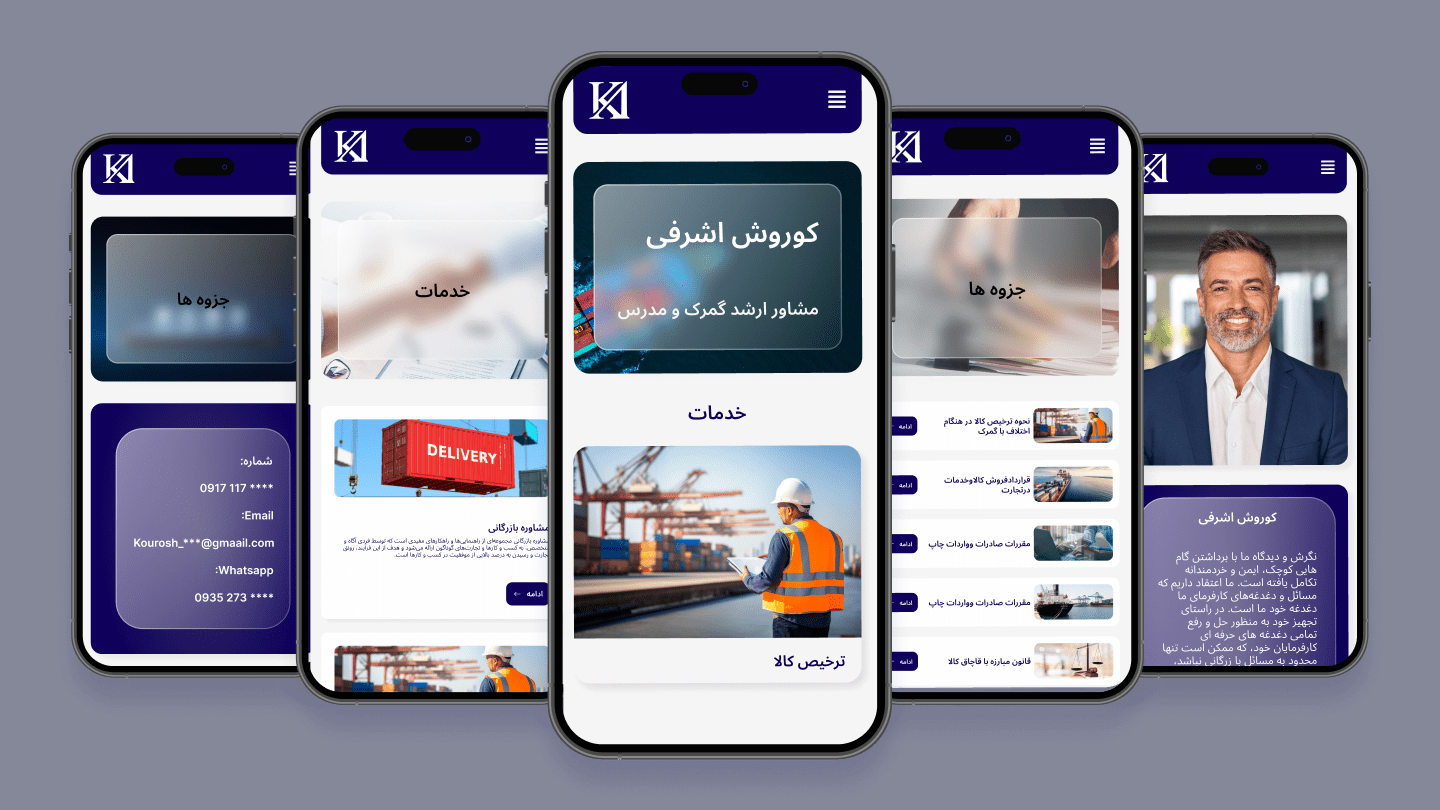
The website was also designed to work across mobile and desktop layouts, ensuring that key pages such as services, contact, and documents remained usable on smaller screens. The responsive direction focused on preserving clarity and hierarchy rather than simply shrinking the desktop design.
circle-icon 1

Screen Walkthrough

Homepage

The homepage acts as a summary of the entire website. It introduces the client, presents key services, and surfaces timely content in a structured way that helps users understand the site quickly from the first visit.

Services Page

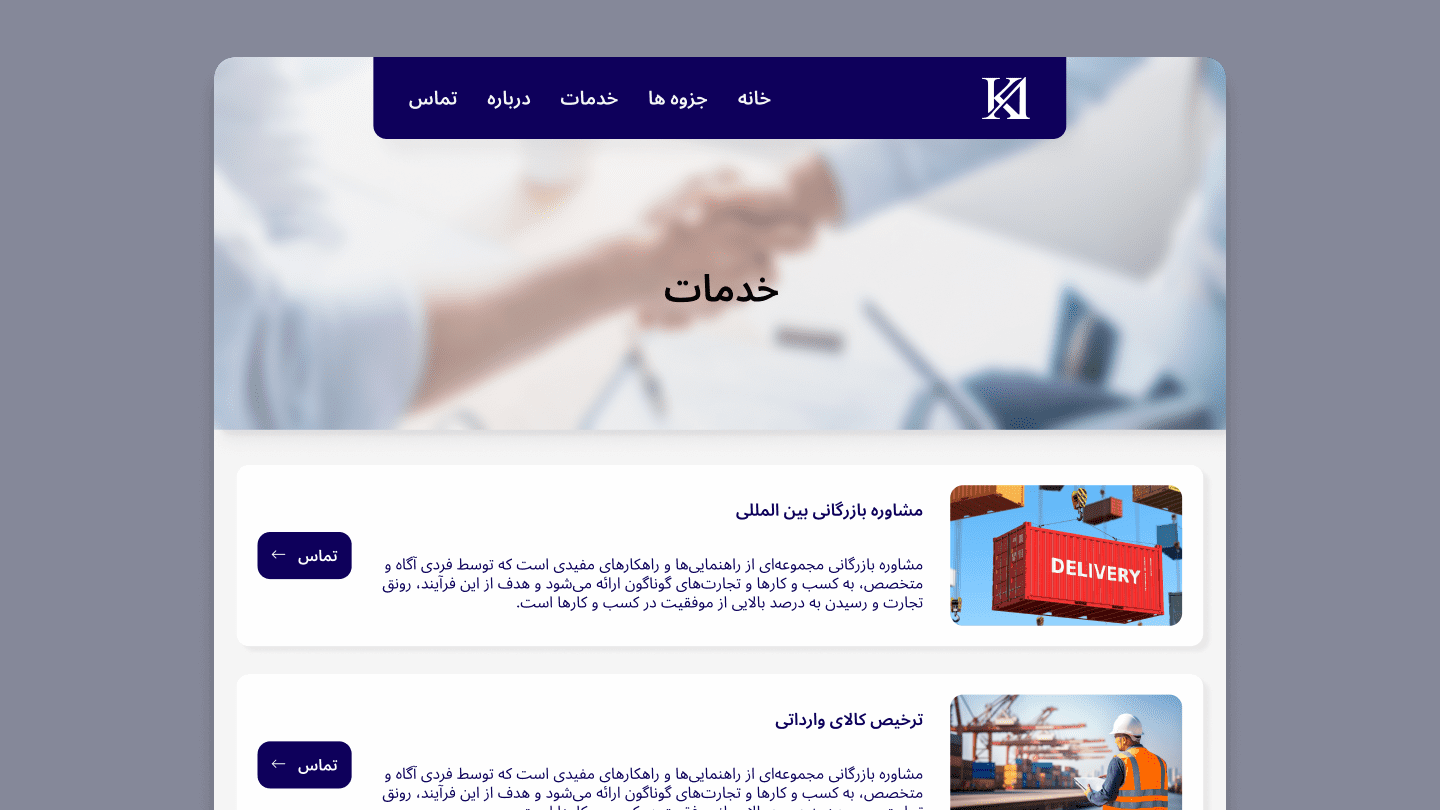
The services page was designed to explain the client’s offerings more clearly and set expectations for users looking for consultancy support. It helps translate complex service information into a more readable and structured format.

Documents Page

The documents page was a key focus of the project because it needed to support quick downloading and easy access for students. The final approved design prioritized clarity, reduced friction, and a card system that felt straightforward to use in an RTL context. :contentReference[oaicite:5]{index=5}

About Page

The About page gives more depth to the client’s professional presence by presenting his background, experience, and qualifications in a cleaner and more trustworthy format. This page plays an important role in making the website feel credible and established.

Contact Page

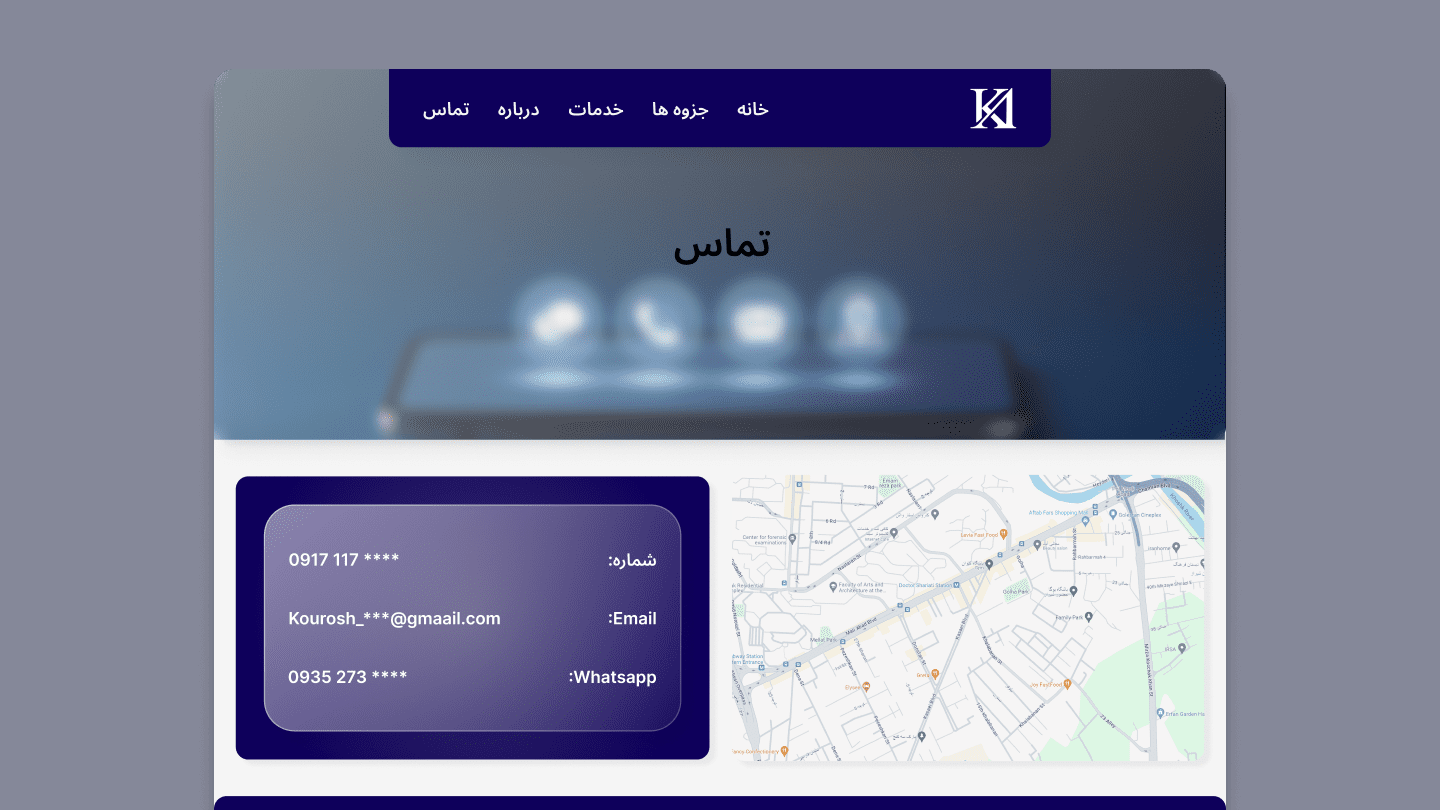
The contact page was kept direct and practical, giving users clear access to the client’s communication channels. Since platforms such as Telegram and WhatsApp are important in the target context, the page was designed to support accessibility and familiarity.

Document Interaction Showcase

This visual highlights the document download experience, one of the most important interaction points in the project. It showcases how the interface was designed to make access to lecture materials feel simple, organized, and easy to understand.
circle-icon 1

Out come

The final approved design created a clearer and more professional digital direction for the client, balancing consultancy credibility with student-focused usability. By organizing the website around core pages and refining the documents experience through iteration and feedback, the project established a strong foundation for a future build.

Although development is currently on hold, the design successfully defined a structured RTL experience that supports both service presentation and academic document access. The result is a thoughtful, minimal website direction ready for implementation when the project resumes.

Other Projects

DevelopmentUX/UIWeb Design